Seseh Bali property market report 2026
Seseh has moved from emerging zone to primary investment destination. 36 months of performance data on unit sizes, supply pipeline, and revenue bands.

Updated on:
April 13, 2026



.jpg)
Seseh has moved from emerging zone to primary investment destination. 36 months of performance data on unit sizes, supply pipeline, and revenue bands.
Seseh has moved from emerging zone to primary investment destination. 36 months of performance data on unit sizes, supply pipeline, and revenue bands.
The time for speculation regarding Seseh is over. We are looking at a market that has matured rapidly from an outlier to a primary capital sink for investors exiting the congestion of Canggu. Land values have appreciated consistently and the margin for error in development has narrowed significantly. You cannot simply build a generic villa and expect 2021 returns.
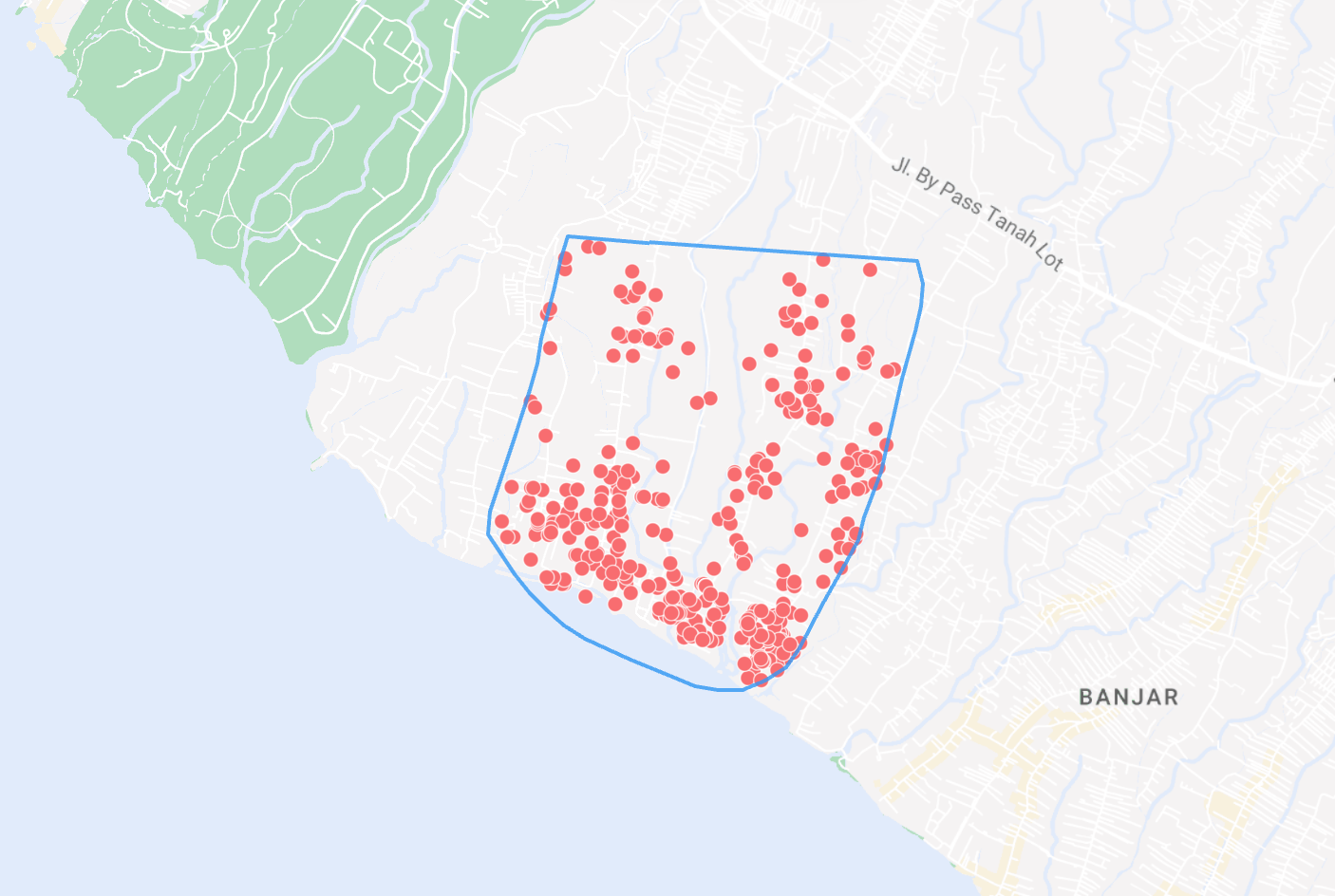
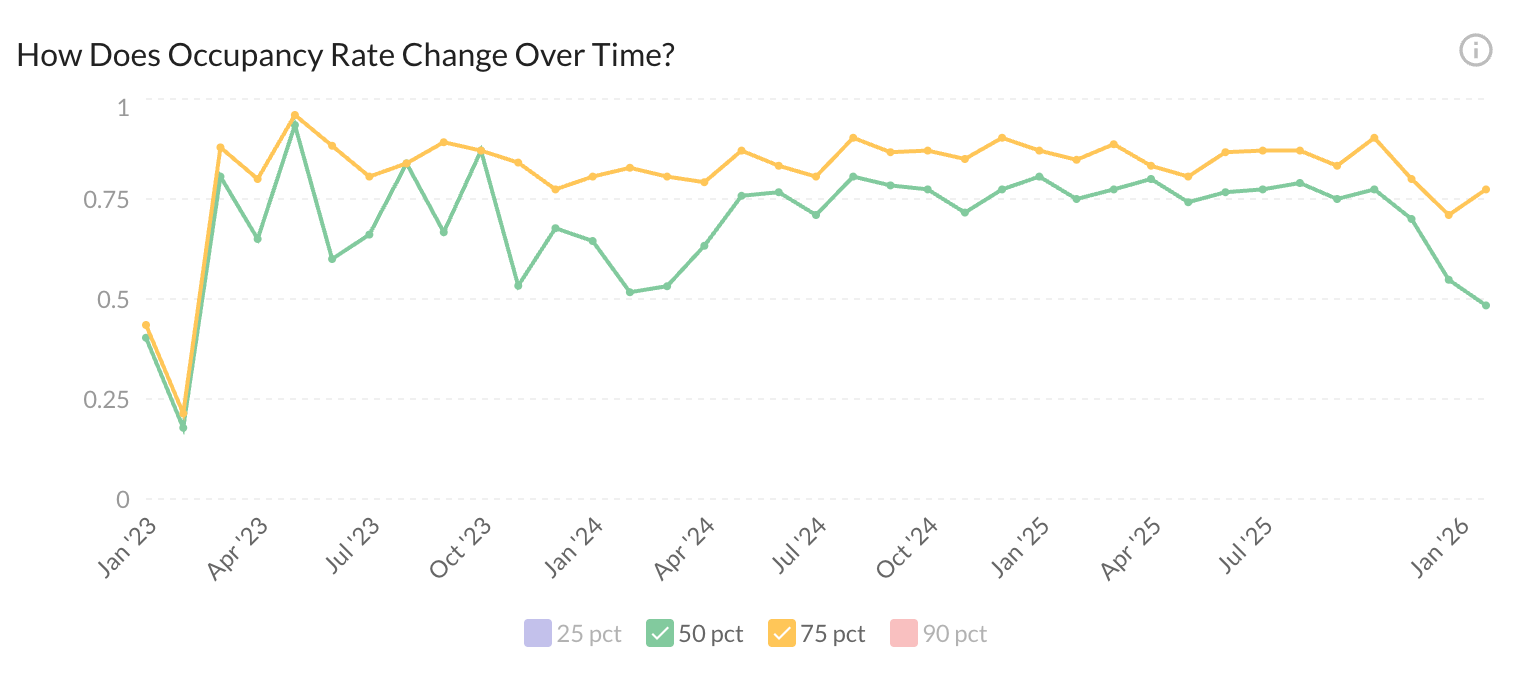
We filter our data because standard market averages are misleading in a high growth environment. I am excluding any property with less than 60% occupancy because we only want to compare your potential investment against professional grade assets as well as 4 bedroom and up assets.
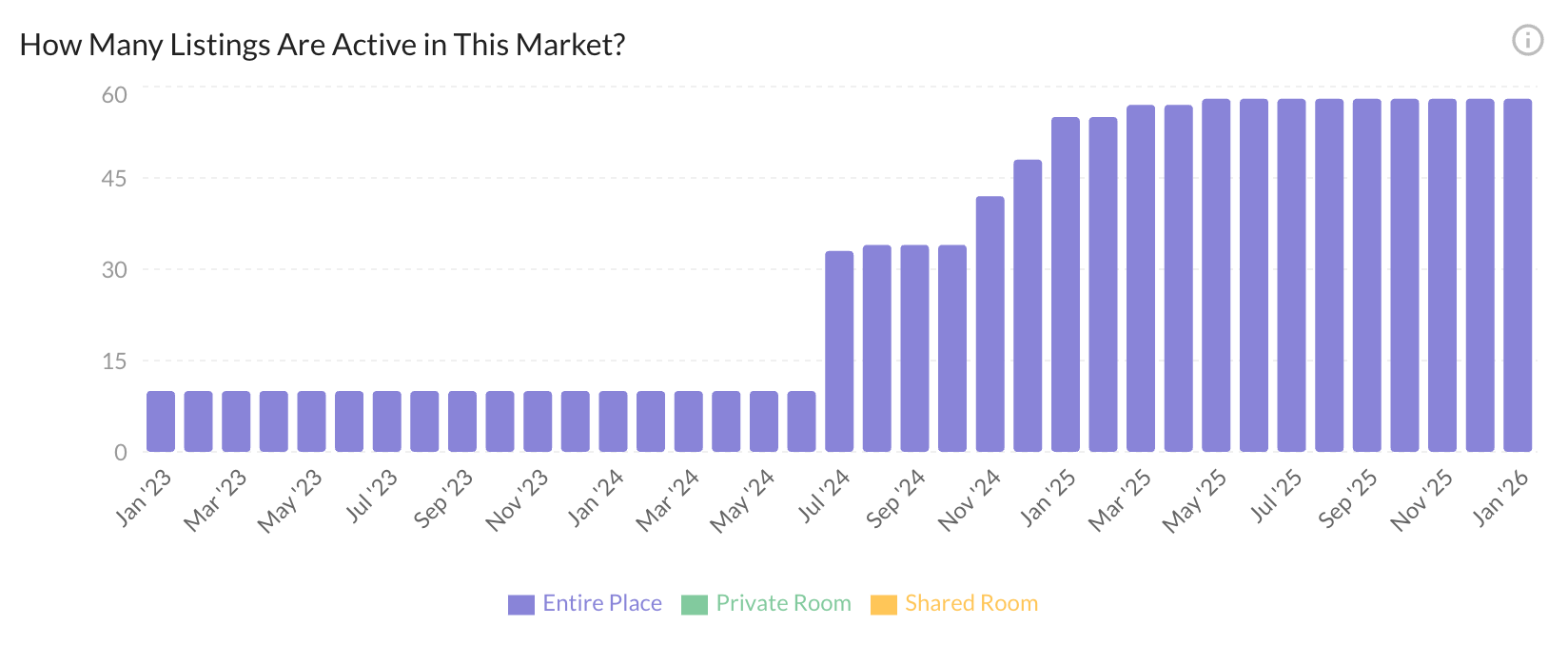
The inventory charts are fascinating right now because they show a massive acceleration in the one bedroom sector. Everyone assumed that small units were the safest bet so developers flooded the pipeline with one bedroom configurations over the last 24 months. While one bedroom units currently hold a strong market share the incoming supply suggests a future saturation point that we cannot ignore. This changes the conversation around competition.
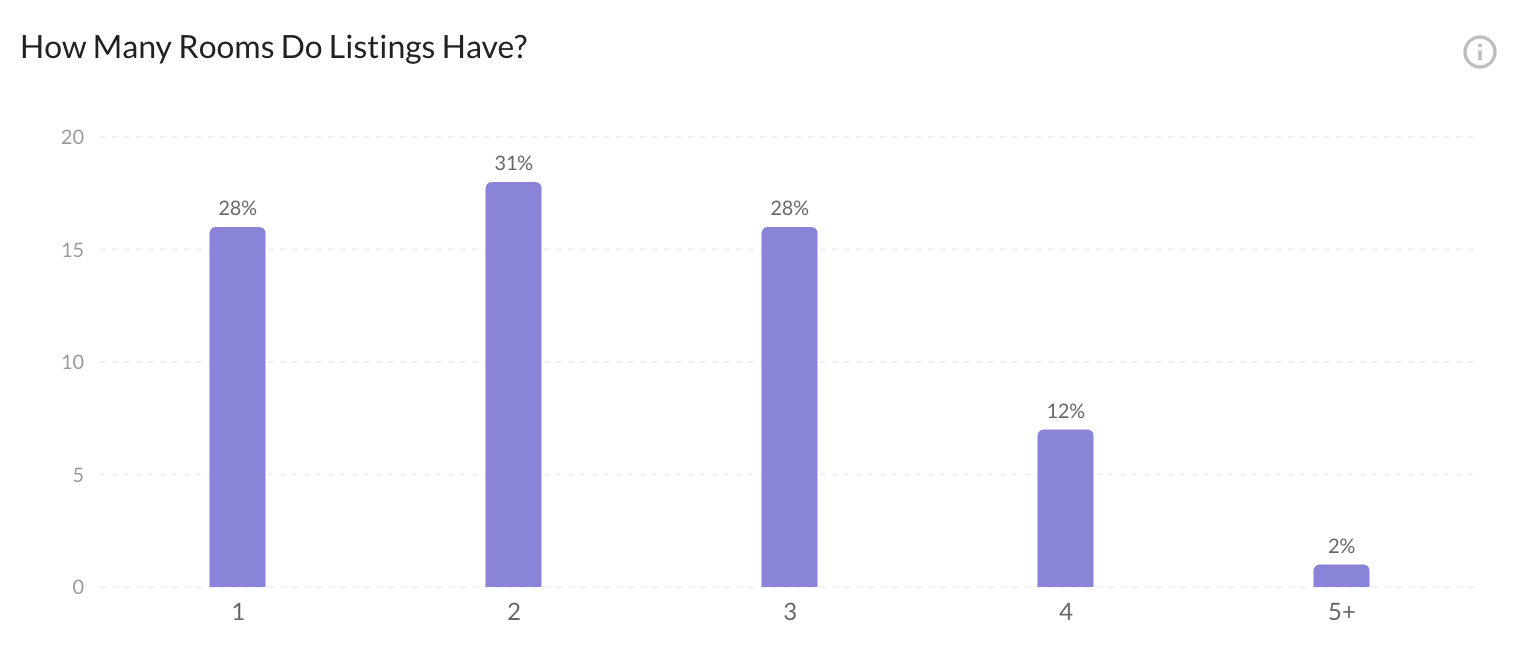
We need to rethink the narrative that the two bedroom market is the most difficult.
While it has high volume it also has the deepest demand pool because it services multiple demographics. The risk in the one bedroom market is the sheer number of identical units entering the platforms, creating higher competition. As a consequence, ADR lowers along with occupancy rates.
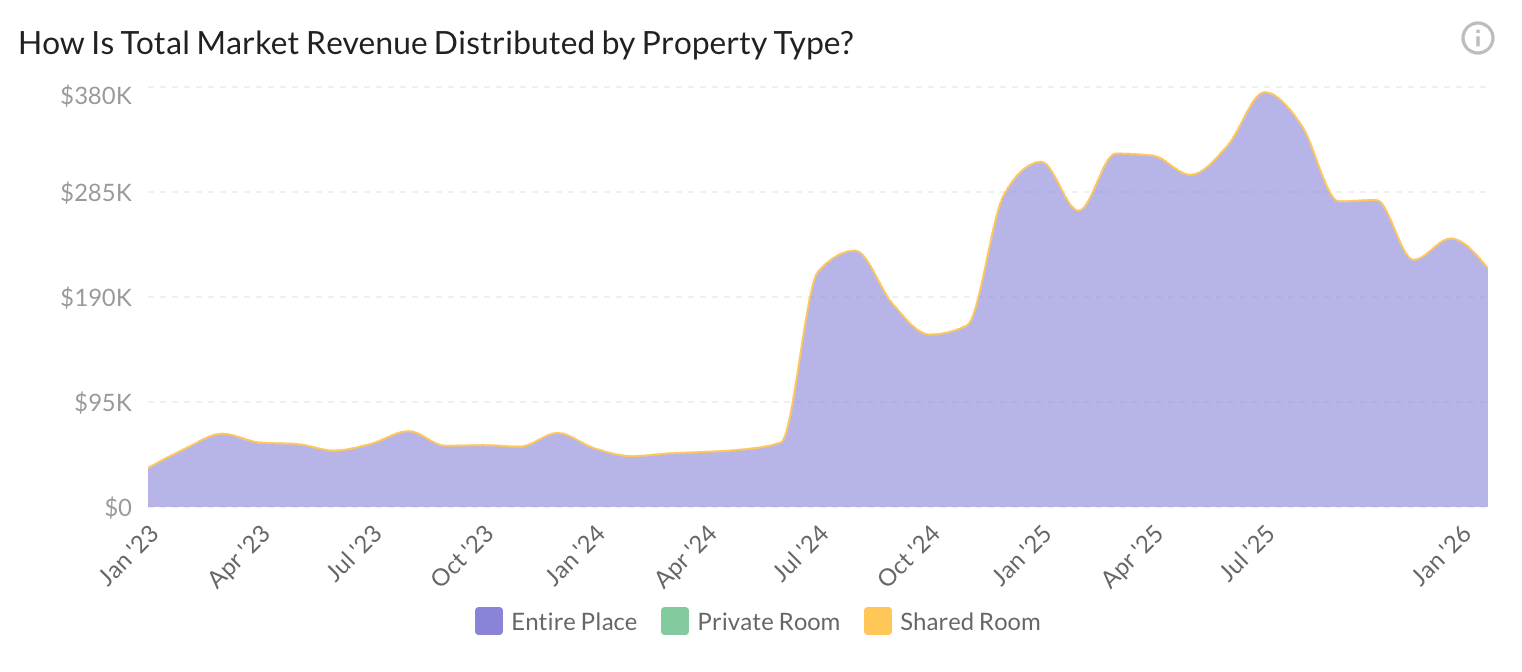
The revenue data shows distinct bands of performance but the overlap is where the opportunity lies.
One bedroom units act like fixed income assets with very little fluctuation while three bedroom units behave like more volatile growth stocks.
The two bedroom unit sits in a unique position where it can capture the high end of the one bedroom market and the low end of the three bedroom market depending on the season. This elasticity is valuable.
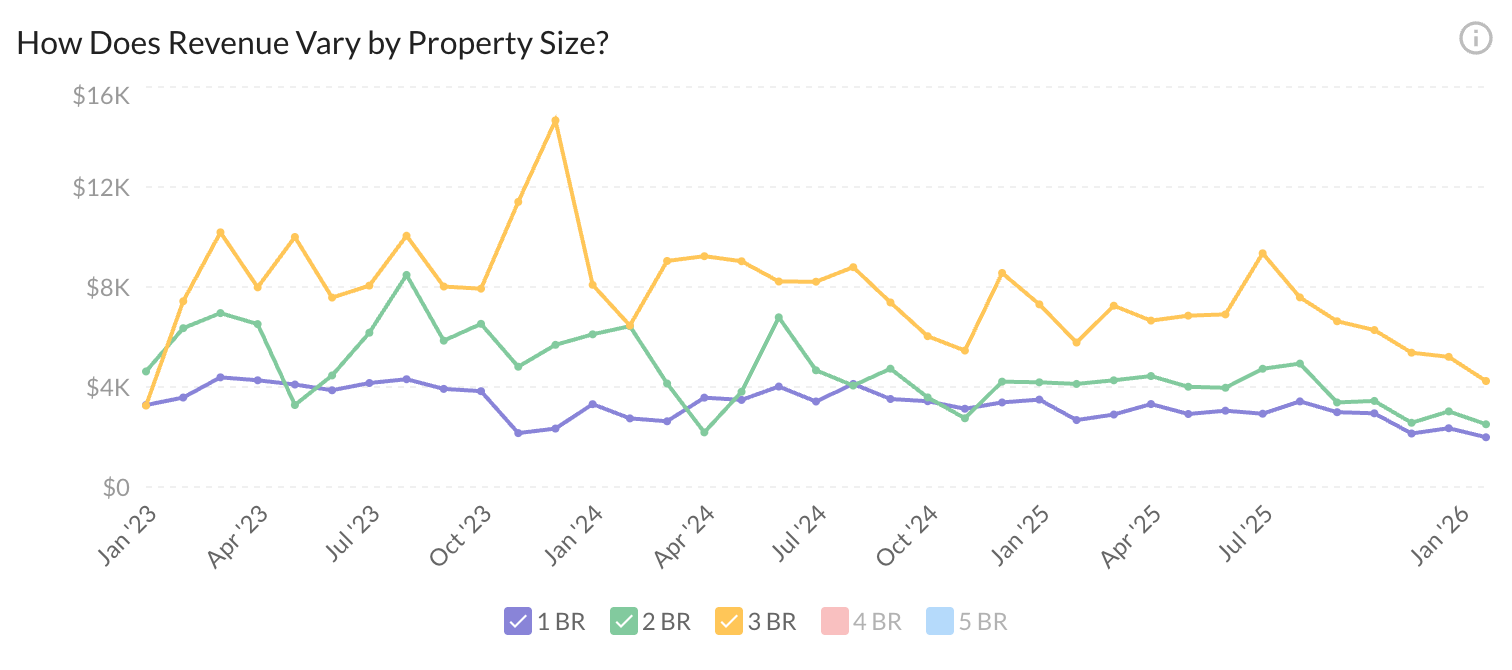
I want to highlight the strategic flexibility of the two bedroom asset.
It is the only configuration that can comfortably house a small family, two couples splitting costs, or a digital nomad who needs a dedicated office or even with the addition of a sofa bed, act as a three bedroom.
Occupancy rates for villas in Seseh are healthy across the board but the behavior differs by size. One bedroom units are currently the easiest to fill but that ease may diminish as supply skyrockets. Three bedroom units have distinct high and low seasons. The two bedroom unit offers a smoother occupancy curve because it is not solely reliant on solo travelers or large groups. It buffers the seasonality risk.
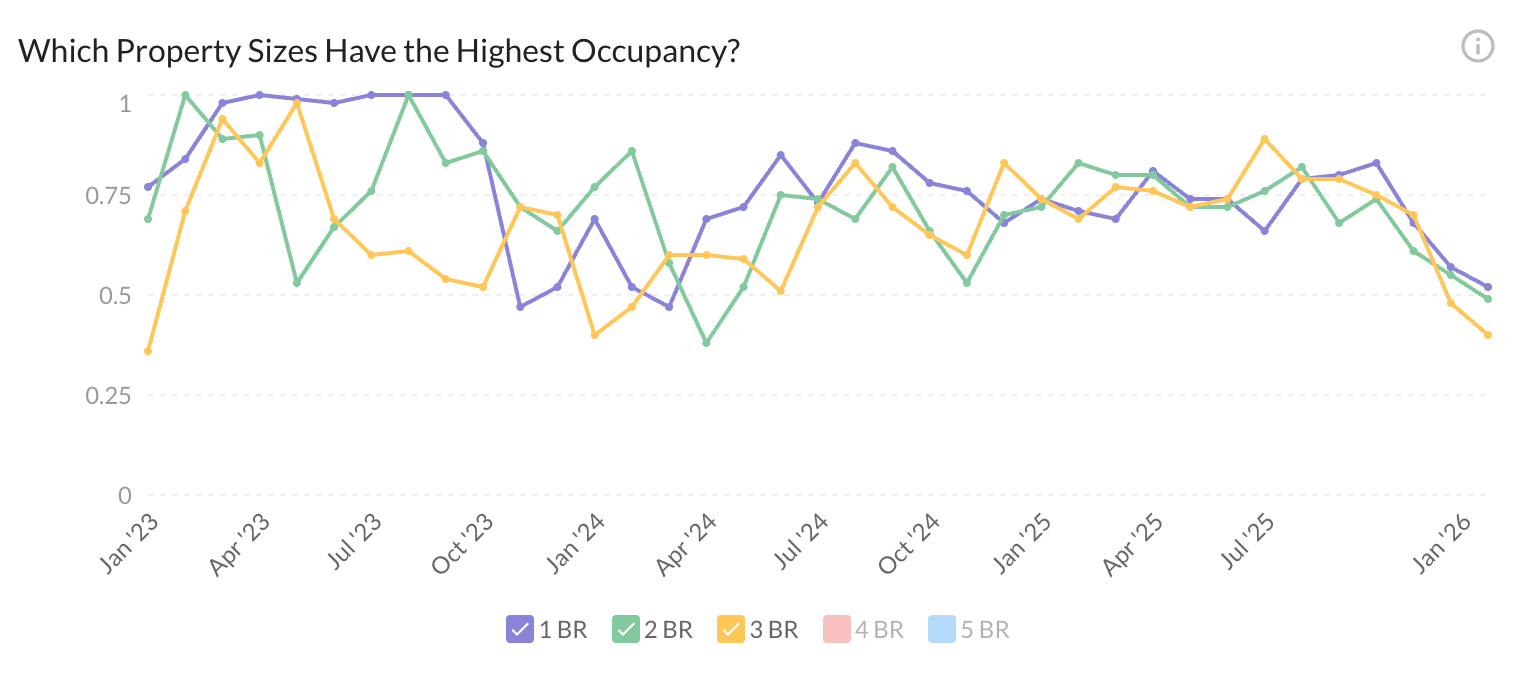
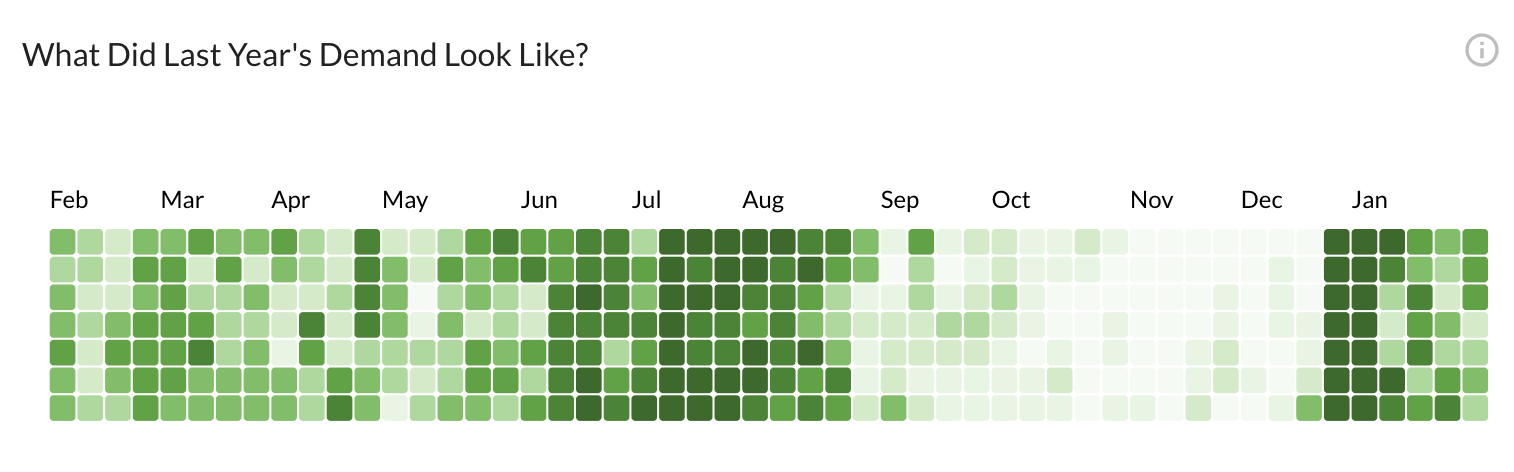
We see that top performers in Seseh maintain resilience even during the quiet months of November and February. The key takeaway from the 2023/25 data is that property management is the great equalizer.
A well managed two bedroom unit can outperform a poorly managed three bedroom unit. The asset is only as good as the operations team running it. To that extent we wrote an article that identifies the best Bali rental strategy and key factors determining its success.
We have compiled the performance data into this table to help you visualize the trade offs. This table reflects the current reality of the market including capital requirements and saturation levels.
Seseh is the logistical smart choice
Let us be realistic about why people are actually moving here because it is not just about "vibes" it is about access.
Seseh is effectively the western annex of Pererenan and the commute is negligible if you know the shortcuts.
It is a strategic location for anyone who wants the infrastructure of a developed town without having a construction crane hanging over their pool.
This is not a manicured resort zone it is a functioning agricultural belt and that distinction matters.
You are living inside a working village where the roads are used by farmers as much as they are by scooters and the view is dynamic because it changes with the harvest cycles. It is raw and functional rather than decorative.
The coastline here is black volcanic sand which gets hot and the ocean is not the gentle beginner playground of Batu Bolong.
The surf in Seseh consists of punchy beach breaks and peaks that shift with the sandbars making it a spot for intermediate surfers who want to escape the fighting in the water further east. Culturally you are sitting right next to Tanah Lot which is one of the most significant sea temples in Bali.
The Seseh market in 2026 is robust but it rewards intelligence over speed. The influx of one bedroom inventory means that segment is becoming a commodity game where only the best locations to invest in Bali and designs win. The two bedroom segment is competitive but offers a versatility that the other sizes lack making it a strong contender for a long term hold.
The three bedroom segment remains the luxury play. Whether you are developing raw land or acquiring a turnkey asset we advise looking at these metrics to find the gap in the market that matches your goals.

%20(3).jpg)
.jpg)
%20(7).jpg)
%20(6).jpg)
%20(4).jpg)